How Daniel built the fortune
Daniel Křetínský made his money by buying energy assets that larger utilities wanted to sell. He started as a lawyer at the Czech and Slovak financial group J&T, became a partner in 2003 and helped lead its energy investments. In 2009 those holdings were combined into Energetický a průmyslový holding, known as EPH, with Křetínský as chairman and a leading shareholder. Over time he and his partner Patrik Tkáč bought out other investors and took control of the group.
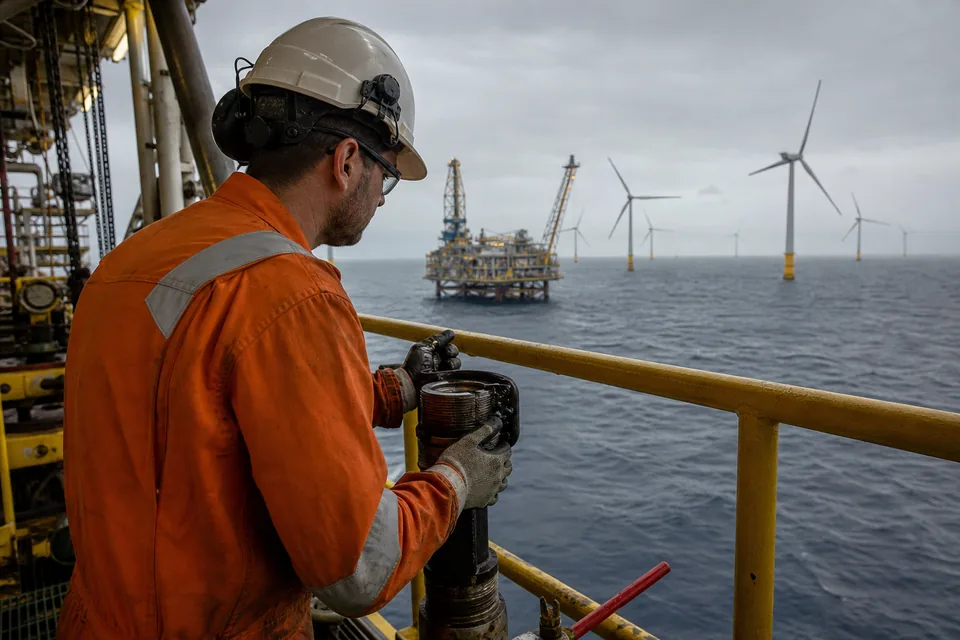
EPH's strategy was contrarian. As western European utilities shifted toward renewables and tried to shed coal and gas fired plants, EPH bought them at low prices. Major deals included the eastern German lignite mines and power stations sold by Vattenfall in 2016, gas fired plants in the United Kingdom, Italy and elsewhere, and a stake in Slovakia's main electricity producer, Slovenské elektrárne. EPH also invested in gas transmission and distribution in Slovakia, regulated businesses with steady returns. When energy prices rose sharply in 2021 and 2022, the conventional power plants that others had considered stranded became very profitable.
Křetínský used the cash and credibility from energy to build a second portfolio of investments in consumer facing companies across western Europe, often taking stakes in businesses that were under pressure and where he saw a turnaround opportunity.
The approach depends on financing as much as on asset selection. Many of his acquisitions have been funded with debt raised against the cash flows of EPH's regulated and generation businesses, and he has often partnered with other investors or bought in stages, starting with a minority stake and increasing it when the opportunity allowed.
Companies and holdings
His holdings are spread across several investment vehicles. The most important are:
- EPH, an energy group with power generation, gas infrastructure and heating businesses in the Czech Republic, Slovakia, Germany, the United Kingdom, Italy and other countries
- EP Group, the umbrella for his wider interests in logistics, retail and other sectors
- International Distribution Services, the parent of Royal Mail, which his group took over in 2025 after an agreed bid
- large stakes in the German wholesaler Metro AG and the French retailer Fnac Darty, and a significant shareholding in the British supermarket chain Sainsbury's
- media assets through Czech Media Invest, including Czech newspapers and French magazines
- AC Sparta Prague football club and a minority stake in West Ham United
In 2024 his group also agreed to buy a stake in the steel division of Germany's thyssenkrupp, although that partnership was later revisited.
Early life and career
Křetínský was born in July 1975 in Brno, the second largest city in what is now the Czech Republic. His mother was a constitutional judge and his father a computer scientist. He studied law and political science at Masaryk University in Brno, gaining qualifications in both subjects, and qualified as a lawyer before joining J&T in 1999.
At J&T he worked on corporate transactions, and his legal background shaped his reputation as a careful dealmaker who structures complex acquisitions. He became chairman of Sparta Prague in the 2000s, giving him a public profile in Czech sport. His role in energy grew steadily through the decade until EPH became one of the largest private energy groups in central Europe and he emerged as its controlling owner.
His personal life has occasionally linked him to other leading Czech business families. He is married to Anna Kellnerová, daughter of the late PPF founder Petr Kellner, although the two groups remain separately owned and managed.
Philanthropy and public life
Křetínský's public role has grown with his investments in western Europe, where purchases of media titles and postal and retail businesses have drawn political and press attention. In France his stake in Le Monde's holding structure led to agreements guaranteeing editorial independence, and in the United Kingdom the Royal Mail deal came with undertakings on jobs, headquarters and the universal postal service.
His charitable giving is less publicised than his deals. Through EPH and its companies he has supported education, culture and social projects in the Czech Republic and Slovakia. He has supported the arts in Prague and sport through Sparta. He rarely gives interviews, but has argued that Europe will need conventional power plants for longer than many policymakers expected.