How Jim built the fortune
Jim Kavanaugh's fortune comes from his stake in World Wide Technology, the company he started in 1990 with David Steward. The business began as a small reseller of computer equipment with a handful of employees, competing for government and corporate orders from a modest office in St. Louis. Kavanaugh, who had a background in technology sales, took charge of operations and growth, while Steward provided capital and became chairman.
Over the following three decades WWT moved from simply supplying hardware to designing, testing and deploying complex systems for large organisations: data centres, networks, cloud infrastructure, cybersecurity and, more recently, platforms for artificial intelligence. The company built close partnerships with major technology vendors and became one of their largest channel partners. Its scale, combined with private ownership, means that the founders share in profits that public competitors would distribute to outside shareholders.
Kavanaugh has served as chief executive for most of the company's history. Steward is the majority owner, and Kavanaugh holds a smaller but substantial minority stake.
Industry observers often point to WWT's investment in testing infrastructure as a key differentiator. Rather than simply taking orders, the company built labs where customers can try out multi-vendor systems, reducing the risk of large technology projects. That capability helped WWT win complex work for large banks, telecommunications carriers, government agencies and global corporations.
Companies and holdings
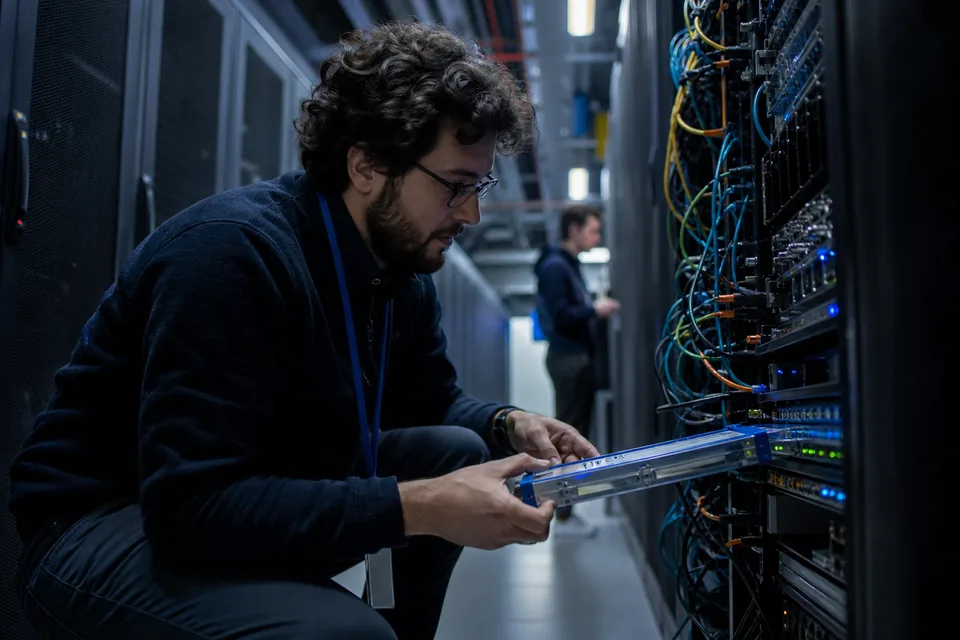
World Wide Technology is headquartered in Maryland Heights, a suburb of St. Louis, and employs thousands of people around the world. A central part of its pitch is the Advanced Technology Center, a large lab where customers can test combinations of hardware and software from different vendors before buying them. The company also runs global logistics and integration centres that build and ship equipment ready to install.
Outside WWT, Kavanaugh and his family are part of the ownership group of St. Louis City SC, the Major League Soccer club that began play in 2023. He has also invested in local business and civic projects in the St. Louis region.
The company's relationship with large technology vendors is central to its business model. WWT works closely with manufacturers of networking, storage, computing and security products, and it has received many partner awards from those vendors over the years. Its growth in AI infrastructure has made those relationships even more important.
Early life and career
Kavanaugh was born in 1963 and grew up in the St. Louis area. Soccer was central to his youth, and he played the sport at a high level, including at Saint Louis University, a programme with a long tradition in American college soccer. He has often said that the discipline and teamwork of competitive sport shaped the way he later built a company.
His early working years were spent in technology sales, where he learned how equipment moved from manufacturers to large buyers and where margins could be earned. That knowledge became the basis for WWT's early model, and he was still in his twenties when the company was founded.
Kavanaugh has said that building WWT required persistence in its early years, when the company was small, cash was tight and it had to prove itself to suppliers and customers who were used to much larger partners. His partnership with Steward, who brought experience from a previous business, gave the young company both capital and credibility.
Philanthropy and public life
Kavanaugh supports education and youth sports in St. Louis, and WWT funds programmes that introduce students from underserved neighbourhoods to science and technology careers. His involvement in bringing an MLS team to the city was presented by the ownership group as a civic project as much as a commercial one, with the stadium located in a downtown area that had seen little investment.
He rarely gives personal interviews about his wealth and is more often heard discussing technology trends, company culture and leadership. Specific figures for his personal giving are not widely published.
Within WWT he is known for emphasising company culture and employee engagement, and the business has frequently appeared on lists of the best large companies to work for in the United States.