Vaccines from a horse farm
Poonawalla's wealth comes from the Serum Institute of India, a privately held vaccine maker that he founded in Pune in 1966. The company's origins lie in his family's horse breeding business. Horses were used at the time to produce antitoxins and sera, and Poonawalla saw that the family's retired horses could be put to use making products India was then importing at high cost.
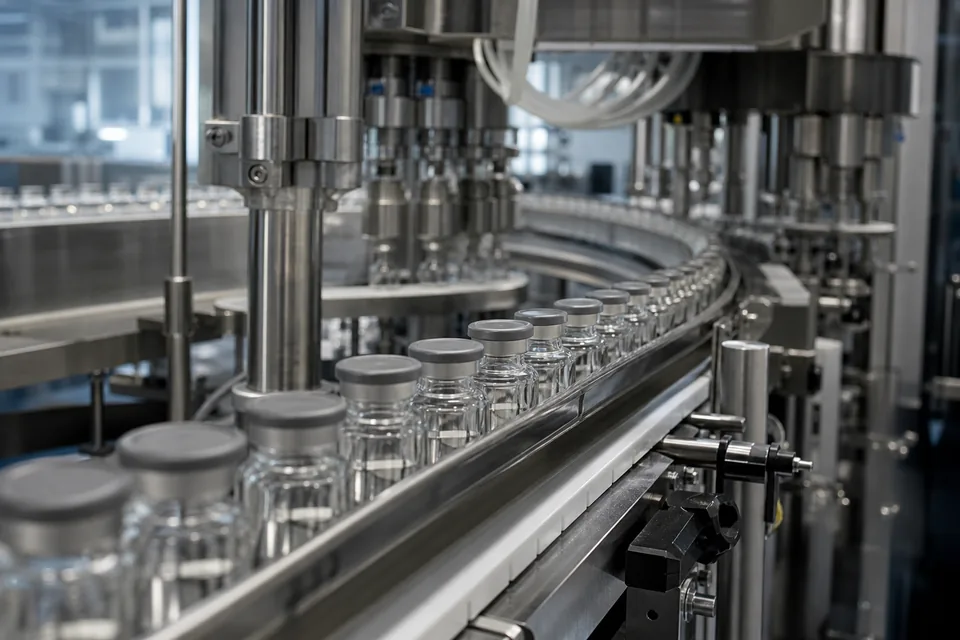
The Serum Institute began by producing tetanus antitoxin and antivenoms, then moved into vaccines for diseases such as diphtheria, tetanus, whooping cough, measles and tuberculosis. Its strategy was to make large volumes at very low prices, which made it a major supplier to the Indian government's immunization programs and later to United Nations agencies buying vaccines for poorer countries.
Over the decades the company became one of the largest vaccine producers in the world by number of doses, with its products used in a large share of the world's countries. Because the Serum Institute remains private and owned by the family, its profits accumulated within the family rather than being shared with outside shareholders. During the COVID-19 pandemic the company manufactured the Oxford and AstraZeneca vaccine under the name Covishield, producing it in huge quantities for India and for export.
The Serum Institute and the wider group
The Poonawalla family's business interests center on vaccines but have expanded into other fields:
- Serum Institute of India: the core company, with large manufacturing sites in Pune producing childhood vaccines, COVID-19 vaccines and newer products such as a vaccine against cervical cancer.
- Bilthoven Biologicals: a vaccine maker in the Netherlands acquired by the group in 2012, giving it a production base in Europe.
- Poonawalla Fincorp: a financial services business that the family built after acquiring control of Magma Fincorp in 2021.
- Horse breeding and real estate: the original Poonawalla stud farms continue, and the family holds property in Pune and Mumbai.
Cyrus Poonawalla is chairman of the group. His son Adar Poonawalla became chief executive of the Serum Institute in 2011 and has led its international expansion and its pandemic era production. The company has also formed partnerships with research institutions and vaccine developers abroad to manufacture their products at scale.
The family has kept the Serum Institute unlisted, while separating some newer ventures into their own companies.
A Pune family and its horses
Cyrus Soli Poonawalla was born in 1941 into a Parsi family in Pune. His family was known for breeding racehorses, and the Poonawalla Stud Farms became one of the best known in India. He studied commerce at Brihan Maharashtra College in Pune.
As a young man he wanted to build something beyond the family stables. His first venture, an attempt to build a sports car, did not lead to a lasting business. He then turned to the idea of using horses for medical products, which led to the founding of the Serum Institute in 1966.
The early years involved building laboratories, recruiting scientists and gaining the approvals needed to supply government health programs. Poonawalla was closely involved in day to day management for decades before handing more responsibility to his son.
He married Villoo Poonawalla, who died in 2010. In 2015 he bought Lincoln House, a historic building in Mumbai that had served as the United States consulate, intending it as a residence. He has received several honors from the Indian government, including the Padma Shri in 2005 and the Padma Bhushan in 2022.
Giving and public profile
The Poonawalla family's charitable work is organized through several trusts and foundations, including one named after his late wife, the Villoo Poonawalla Foundation. These groups fund hospitals, schools, clean water projects and sanitation programs, especially in and around Pune.
The family has supported public health beyond its own products as well, including programs to expand vaccination and efforts to keep the city of Pune clean. During the COVID-19 pandemic the Serum Institute took on financial risk by starting large scale production before vaccines had been approved, a decision that the company presented as a contribution to global supply.
Poonawalla has spoken publicly about the importance of affordable vaccines for poorer countries and about the need for India to build its own manufacturing capacity in medicine. He has also commented on Indian business and policy issues in interviews.
He remains a well known figure in Indian horse racing, and the family's horses have won many of the country's major races.