How Lisin came to control NLMK
Lisin's fortune is built on Novolipetsk Steel, known as NLMK, a large steel producer based in Lipetsk in central Russia. He spent his early career inside the Soviet steel industry, working his way up from the shop floor to management. When the industry was privatized in the 1990s, he used that experience and his connections to move into ownership.
In the early and mid 1990s he worked with trading groups that managed exports from Russian metals plants, which gave him access to capital and to stakes in several companies. Over the second half of the decade he gathered shares in NLMK and by the end of the 1990s had become its controlling shareholder. He has served as chairman of its board.
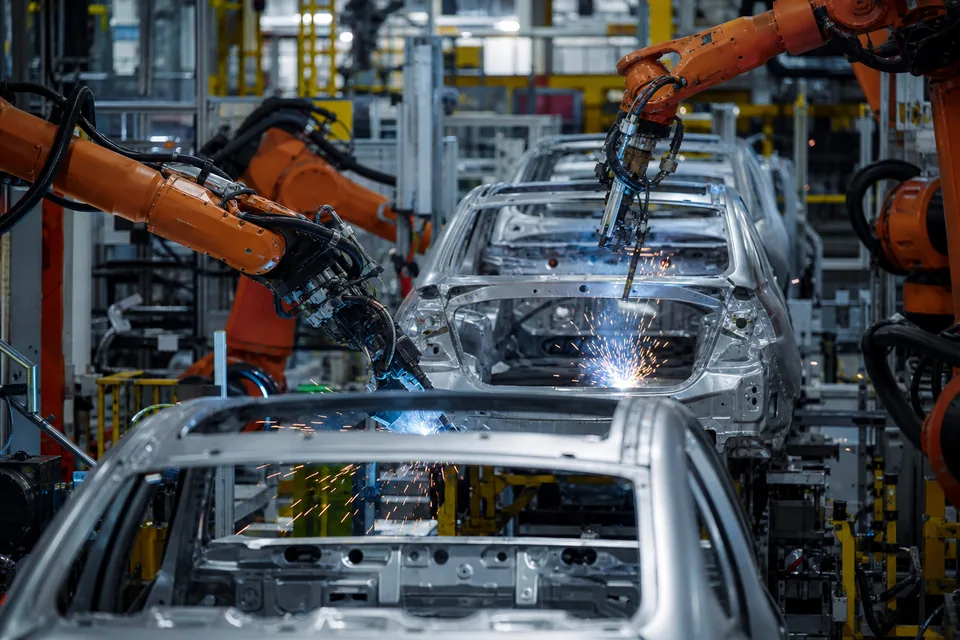
Under his ownership NLMK invested in modern equipment and expanded into higher value steel products. The company listed shares in London in 2005, which brought international investors and a market valuation. It also bought rolling mills and service centers in Europe and the United States, giving it a presence close to customers abroad. The steady cash flow from steel allowed Lisin to diversify into transport and logistics. His wealth has moved with steel prices, which rise and fall with global demand.
Steel, railways and ports
Lisin's main holdings include:
- NLMK Group: steelmaking in Lipetsk, mining of iron ore through Stoilensky, and plants and service centers in Europe and the United States
- UCL Holding: a transport group that brings together his logistics businesses
- Freight One: a large Russian railway freight car operator, bought from Russian Railways in 2012
- Shipping and ports: river shipping on the Volga through the Volga Shipping Company and port terminals, including the Tuapse sea port on the Black Sea
The transport assets were built partly to serve the steel business, moving raw materials and finished products, but they also carry cargo for other companies.
After Russia's invasion of Ukraine in 2022, NLMK faced difficulties in exporting to Europe as many customers stopped buying Russian steel, and its foreign subsidiaries had to operate more independently. NLMK has continued operating in Russia and selling to markets where Russian steel remains accepted.
From electrician to metallurgist
Vladimir Sergeyevich Lisin was born in 1956 in Ivanovo, a textile city northeast of Moscow. He began his working life in the Siberian industrial city of Novokuznetsk, first as an electrician in a coal mine and then at a steel plant, while studying at the Siberian Metallurgical Institute. He graduated in 1979.
After graduating he worked at the Tulachermet plant in Tula, where he rose to deputy chief engineer and later to deputy director. He continued his education, earning a doctorate in technical sciences and later degrees in economics and management, and he has written academic work on the steel industry.
In the early 1990s he moved into business, working with trading companies that dealt in metals and becoming involved in the management of several plants. These years in Russian metals were known for intense competition over ownership, and Lisin emerged from them as the owner of NLMK.
He has generally kept a low public profile and avoids political roles. He has taught at Moscow universities and has been active in academic and industry associations in metallurgy.
Shooting sports and civic interests
Lisin is a keen sport shooter, and much of his public life outside business has been in that field. He has long been president of the European Shooting Confederation. From 2018 until 2022 he served as president of the International Shooting Sport Federation, the world body for Olympic shooting events.
He built the Lisya Nora shooting complex near Moscow, one of the largest facilities of its kind, which has hosted international competitions. He has also supported shooting clubs and young athletes in Russia.
Outside sport, Lisin has funded education programs in metallurgy, including support for universities that train engineers for the steel industry. NLMK runs social programs in Lipetsk and its other operating regions, covering health care, schools, housing and urban improvements, as is common for large Russian industrial companies.
He has received Russian state awards for his work in industry. He rarely gives interviews about his personal life and keeps details of his family out of the public eye.