Cities with the most billionaires and why wealth clusters
/7 min read
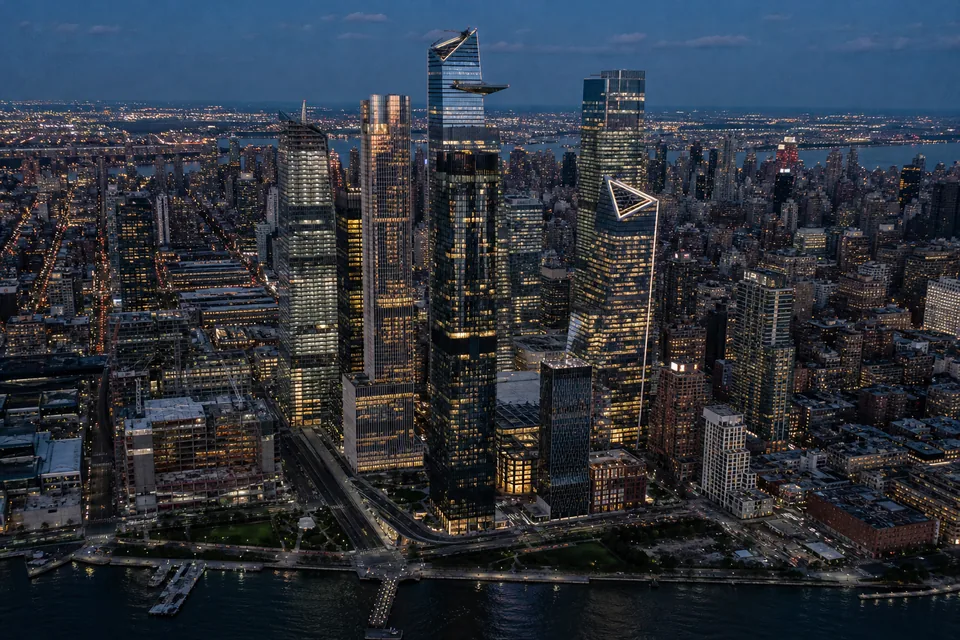
The cities with the most billionaires are typically New York, Hong Kong, London, Beijing, Mumbai, the San Francisco Bay Area, Moscow and Singapore, along with a few other global hubs. Exact counts and the order between them vary by source, by year and by how residence is defined.
Build a sourced billionaire list
Billionaires are not spread evenly across the map. They gather in a small number of metropolitan areas, and the reasons are surprisingly consistent: access to capital, concentrations of fast growing companies, legal and tax frameworks, and the lifestyle and network effects that come with being near other wealthy people. This article explains those forces, describes the best known hubs, and shows how to look beyond a headline ranking. For country level data, start with our billionaires by country page.
Why exact city counts are hard to pin down
Before looking at specific cities, it helps to understand why lists disagree. Three issues come up again and again.
- Residence is fluid. Many billionaires own homes in several countries. A ranking may assign them to the city where they spend most time, where their company is based, or where they are tax resident. Each choice can move a name from one city to another.
- Metro boundaries differ. Some lists count a whole metropolitan region, such as the San Francisco Bay Area, while others count only the city proper. Including surrounding towns can change a ranking position substantially.
- The billionaire count itself moves. Market swings push people above or below the billion dollar threshold. A city's count can rise or fall in a single year without anyone moving.
For these reasons, the useful question is less about which city is number one this year and more about why certain places keep appearing near the top.
Ranked billionaires by city
- New York 132
- Moscow 95
- San Francisco 84
- Hong Kong 78
- London 74
The forces that make wealth cluster
Financial centers attract capital and the people who manage it
Large stock exchanges, investment banks, hedge funds and private equity firms tend to concentrate in a few cities. Founders of investment firms often become very wealthy themselves, and entrepreneurs from other sectors move to these cities to be near investors, advisors and lawyers. Over time, the presence of capital attracts more capital.
Technology hubs create new fortunes quickly
Regions with strong universities, venture capital networks and a culture of starting companies produce founders whose stakes can become valuable within a few years. Once a few companies succeed, early employees and investors reinvest in new startups, which reinforces the cycle.
Tax and legal environments influence where wealth settles
Some cities and countries attract wealthy residents through low income or capital gains taxes, favorable inheritance rules, or stable legal systems. These factors rarely create wealth by themselves, but they influence where people choose to live once they have it. Policy changes can shift the balance over time, encouraging some residents to relocate.
Family business centers hold inherited wealth
Cities that have been commercial centers for generations often host family dynasties whose businesses grew alongside the local economy. Inherited wealth tends to stay rooted where the family company is headquartered.
Network effects and lifestyle
Wealthy people often choose to live near others in similar circumstances. Access to private schools, specialist services, cultural institutions, international airports and discreet property markets all play a role. These amenities follow wealth, and in turn attract more of it.
The best known billionaire hubs
The following descriptions are qualitative. They explain why each city appears near the top of most public rankings, without relying on a count that would change with the source and the year.
New York
New York is widely regarded as one of the leading cities for billionaire residents. Its strength comes from finance above all: investment banks, hedge funds, private equity firms and asset managers. The city also hosts heirs of established American fortunes, media owners and real estate dynasties. Many billionaires who made their money elsewhere keep a home in Manhattan as well.
Hong Kong
Hong Kong has long been a center of Asian finance and family business. Property developers and diversified conglomerates have produced several multi generational fortunes there. The city's role as a gateway between mainland China and international markets has also drawn entrepreneurs and investors. Its position has been influenced by political and economic changes in recent years, which is one reason its ranking varies between sources.
London
London combines a major financial sector with a long history of attracting international wealth. Many residents made their fortunes elsewhere and chose London for its legal system, schools, property market and global connections. Changes to UK tax rules for non domiciled residents have been widely discussed as a factor that could influence where some wealthy people live.
Beijing
Beijing is home to founders of major Chinese technology, internet and consumer companies, as well as entrepreneurs in other sectors. Its billionaire population has grown alongside the rise of China's private sector. Because many fortunes there are tied to listed technology stocks, the city's count can move noticeably with market conditions and regulatory changes.
Mumbai
Mumbai is India's financial capital and the base of several of the country's largest business families. Conglomerates spanning energy, telecommunications, retail and industry are headquartered there, alongside a growing group of first generation founders. India's expanding stock market has contributed to the city's rise in wealth rankings.
San Francisco Bay Area
The Bay Area, including Silicon Valley, is the world's best known technology hub. Founders and early investors in software, internet, hardware and artificial intelligence companies make up a large share of its billionaires. Most of this wealth is self made and relatively recent. Rankings that count the region as a whole place it higher than those that count San Francisco alone. Our self made billionaires list includes many founders based in this region.
Moscow
Moscow has historically hosted many of Russia's wealthiest people, whose fortunes are often tied to natural resources, metals, energy and banking. Sanctions, asset freezes and relocations in recent years have made residence and valuation harder to measure, so its position differs considerably between sources.
Singapore
Singapore has become a major base for wealthy families from across Asia and beyond. A stable legal system, a strong private banking sector and an established family office framework attract both local founders and international residents. It is often cited as an example of a city that draws wealth through policy and infrastructure rather than producing most of it locally.
Other cities that appear on rankings
Beyond these hubs, several other cities regularly host significant numbers of billionaires. Examples include Shenzhen and Hangzhou, which are home to major Chinese technology and manufacturing companies, as well as Paris, Los Angeles, Dubai, Tokyo, Seoul and Sao Paulo. Each has its own mix of local industry, inherited wealth and international residents.
How billionaire hubs change over time
The map of wealth is not fixed. A few long term shifts are visible across many public rankings, even though the exact figures differ.
- The rise of Asian hubs. Growth in China, India and Southeast Asia has added many new fortunes in cities such as Beijing, Shenzhen, Mumbai and Singapore over the past two decades.
- Technology concentration. As technology companies became some of the most valuable businesses in the world, regions hosting them gained a larger share of the very wealthy.
- Migration of the wealthy. Changes in taxation, political conditions and personal safety prompt some billionaires to relocate, often toward cities with stable rules and strong private banking.
- Market cycles. A strong year for one stock market can lift a whole city's count, while a weak year can lower it, without any change in the underlying businesses.
Watching these shifts requires consistent data collected the same way each year, which is why historical comparisons should always use a single source and method.
Comparing hubs by type of wealth
| City | Main sources of wealth | Typical pattern |
|---|---|---|
| New York | Finance, real estate, media | Mix of self made and inherited, many second homes |
| Hong Kong | Property, conglomerates, finance | Strong family dynasties |
| London | Finance, international residents | Large share of wealth made elsewhere |
| Beijing | Technology, internet, consumer | Mostly first generation founders |
| Mumbai | Conglomerates, energy, industry | Business families plus new founders |
| San Francisco Bay Area | Software, internet, AI, hardware | Mostly self made and recent |
| Moscow | Resources, metals, banking | Hard to measure due to sanctions and relocation |
| Singapore | Finance, family offices, regional business | Attracts wealth from across Asia |
To see which sectors drive fortunes in each place, combine city or country filters with our billionaires by industry view.
How to use city data responsibly
City rankings are useful for understanding where wealth sits, but they work best with a few precautions.
- Check the residence rule. Find out whether the source counts primary residence, tax residence or company headquarters.
- Check the date. A count from one year can look very different a year later after market moves.
- Look at sources, not just totals. Each profile behind a count should be verifiable.
- Combine with country context. National tax and policy changes often explain movement in city figures.
Who uses billionaire location data
Location data is practical as well as interesting. Fundraisers use it to plan donor research by region. Wealth managers use it to build territory lists for advisors. Luxury, property and private aviation businesses use it to understand their markets. Researchers and journalists use it to study inequality and economic development. In every case, the value comes from knowing who is where, how reliable the information is, and when it last changed.
Tracking billionaire locations with BillionaireList
Every profile on our billionaires list records country and residence information along with the sources used. Free visitors can browse rankings by country. Paid plans make the data practical for professional use: save lists filtered by country or industry, receive alerts when a tracked person's estimate changes, review full history, and export CSV files with source links. Data and Enterprise plans include API access for teams that want to feed location data into their own tools.
Key takeaways
- New York, Hong Kong, London, Beijing, Mumbai, the San Francisco Bay Area, Moscow and Singapore are among the best known billionaire hubs.
- Exact counts vary by source, year, residence rule and metro boundary.
- Wealth clusters because of finance, technology ecosystems, tax and legal frameworks, family business history and network effects.
- Each hub has a distinct mix of self made and inherited wealth.
- Use city data with attention to definitions, dates and sources.